


The Shroud of Turin: An Enduring Enigma
The Shroud of Turin is a centuries cad linen doth bearing the fiant, negative image of a crucified man. lielieved by millions to be the burial cloth of Jesus of Nazareth, its origin remains one of the most intensely snadied and debered mysteries in history, sitting at the crossroads of faith, science, and forgery
Impossible Features
1
Photographic Negative
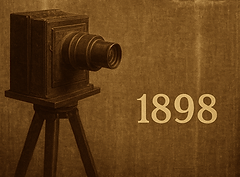
The image on the Shroud is a perfect photographic negative, a concept unknown until the 19th century. Its details only became clear when it was first photographed in 1898.
2
3D Information
Unlike any photograph or painting, the image contains three-dimensional data encoded in its light and dark areas, allowing for a 3D reconstruction of the man's body.

3
Forensic Accuracy
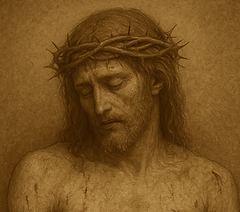
The wounds depicted-from crucifixion, scourging, and a crown of thorns-are anatomically and pathologically perfect, consistent with Roman practices but contrary to medieval art.
4
Blood Evidence
Forensic tests have confirmed the presence of real, type AB human blood on the cloth, separate from the body image itself. The blood shows high levels of bilirubin, indicative of severe trauma.

The Carbon Dating Controversy
In 1988, radiocarbon dating tests conducted on a small sample from the Shroud's edge placed its origin in the Middle Ages (1260-1390 AD), However, this conclusion has been challenged by subsequent research suggesting the sample area was contaminated by a medieval repair patch, potentially skewing the results. The debate over the Shroud's true age continues, highlighting the complex interplay between historical artifacts and scientific analysis.


Scientific Impossibility
A brief, one or two-sentence introduction explaining the concept of medically inexplicable healings associated with these figures.
Documented Cases
Miraculous Evidence

Our Lady of
Guadalupe
The Image That Defier Pireites

The Black Madonna of Częstochowa
Survival Against All Odds

The Bomb Test of 1921
A detailed account of the 1921 bombing, emphasizing the crucifix that absorbed the blast and the complete preservation of the Tilna's glass and fiber
